LoRaWAN® for Smart Utilities
Build tomorrow’s new smart grid and profit from internet-based solutions.
Smart Electricity
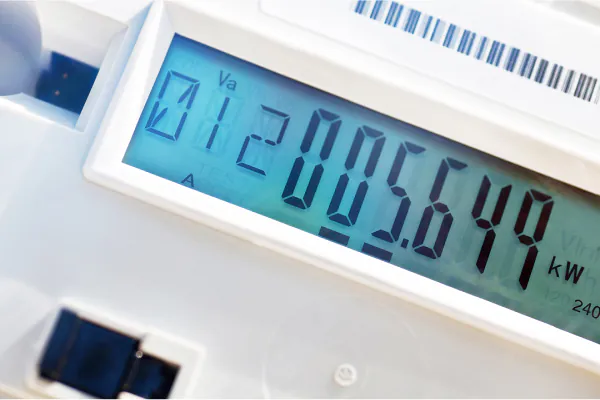
Reduces network outages and quickens response through meter and grid monitoring and analytics. Integrates renewable energy management systems and storage from resources such as solar photovoltaic systems, fuel cells, and wind turbines.
Smart Water
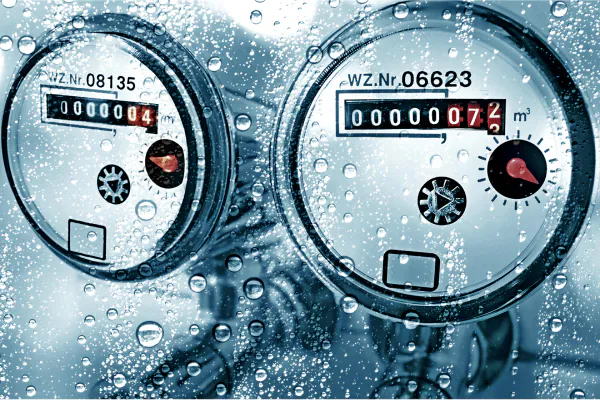
Improves utility efficiency with AMI (Advanced Meter Infrastructure) based on LoRaWAN®. Beyond automated reading, improves water network management and reduces the non-revenue water with leak detection. Reduces energy bill in cost of water with water flow and pressure monitoring and control of pumping systems for the water supply.
Smart Gas
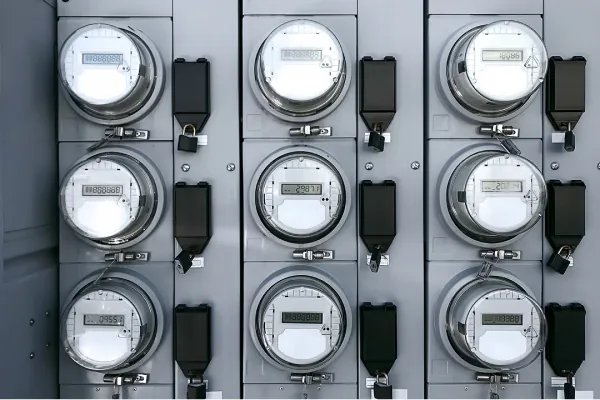
Helps utilities in the LNG and LPG industry improve their billing accuracy and develop new service models for remote meter readings. Provides near real-time data for gas usage and alarms. Remotely measures gas flow rates and pressure in gas pipe networks. Remotely shuts off valves for subscription management and for risk control in case of alert.
Smart Heating
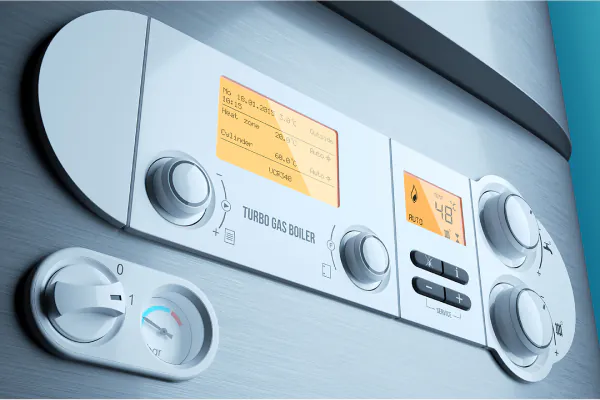
Facilitates cost allocation and improves the overall distribution efficiency by measuring real consumption. Helps facilities and utilities improve their customer service through better energy consumption monitoring.
Standards Supported by LoRaWAN®
LoRaWAN is a connectivity of choice for supporting the leading standards used for smart metering in many countries.
OMS and DLMS
Through efforts and official liaisons of LoRa Alliance® with the OMS association and the DLMS association respectively, the specifications for supporting OMS (Open Metering System) and DLMS (Device Language Message Specification) have been established, tested for interoperability and published by standard bodies.
OMS
OMS over LoRaWAN® is specified in the technical document TR06 which defines the transport of M-Bus upper layers using the M-Bus adapation layer, standardized by CEN (European Normalization Committee) in 2023 under EN13757-8:2023.
DLMS
DLMS over LoRaWAN® is specified in the Green Book of the DLMS Association and part of the IEC 62056 standards. IEC 62056-8-12:2023 describes the use of DLMS®/COSEM for LoRaWAN using an IPv6 adaptation layer based on SCHC. DLMS/COSEM protocol is not specific to electricity metering, it is also used for gas, water and heat metering. Certification of end devices for LoRaWAN with SCHC is supported by the LoRa Alliance certification program, while the DLMS Association provides its certification for compliance.
For more information view the following webinar
UI1203
LoRaWAN is a connectivity of choice for smart water metering with tons of meters already connected over the globe.
UI1203
In North America, the UI-1203 Sensus Protocol, adopted by the American Water Works Association (AWWA), provides a de facto common way to read meters across multiple vendors. When combined with LoRaWAN®, it delivers long-range, low-power connectivity that supports scalable smart utility networks. Many leading water meter providers have adopted the UI-1203 Sensus Protocol over LoRaWAN®, including Axioma, Diehl Metering, Mueller, Neptune, Vision Metering and Zenner, all active members of the LoRa Alliance®.
Additional Resources
Utilities are making reference in their tenders to these standards for demand of compliant meters for either water, gas, heat or electricity.
To find LoRaWAN end devices, search the marketplace.
For questions about certification of end devices with LoRaWAN and SCHC, see the certification area.
For more technical information, join the LoRa Alliance vertical workgroup for Smart Water and Energies.
To find LoRaWAN end devices capable of featuring UI1203 in North American region, search the marketplace.
Video: LoRaWAN for Smart Utilities
LoRaWAN was built to meet the particular needs of utilities, creating long-range connectivity in extremely challenging environments, using little power so sensors last for years, and operating on an unlicensed ISM band, significantly reducing operating costs.
Why choose LoRaWAN?
Get Smart About Utilities
News from Our Members

Mar
24
Review: Zenner at E-world 2026
Member Press Release
From 10 to 12 February 2026, Zenner International GmbH & Co. KG exhibited at E-world energy & water 2026 in Essen with a clear focus on the smart water rollout. […]
Jan
22
IoT-Pionier Alpha-Omega Technology lädt auf größten IoT-Hub der E-world ein
Member Press Release
Schimberg, 14. Januar 2026 – Die Alpha-Omega Technology GmbH & Co. KG ist vom 10. bis 12. Februar 2026 mit ausgewählten IoT-Partnern zum fünften Mal auf Europas größter Energiefachmesse „E-world […]
Sign Up to Stay Informed
Smart Meters for Utilities
LoRaWAN, among the new Low Power Wide Area network technologies for connecting smart meters and IoT sensors with utility applications, is an open standard technology offering a unique and disruptive flexibility to deploy private and public networks in a cost-efficient manner, alongside its interoperability at the network and device levels.
In most situations, utility connectivity networks require small payloads of data from daily index to every ten minutes logs with data throughputs of several kilobits. Some specific use cases— like breakers for electricity, prepayment systems, or services supported by remote valve control — can justify a need for a low latency. For the use cases requiring latency of 1 second or more, LoRaWAN can perform well enough to support the automation system requirements.
LoRaWAN network infrastructure deployment and maintenance occurs at a much lower cost compared to traditional WMBUS, cellular technologies and proprietary ones, due to the high link budget and long range performance of LoRa radio that enables wide area network deployment. For instance, LoRaWAN applications for water and gas meters can currently support battery life of over 20 years when transmitting once per day.
Since utilities are responsible for the infrastructure and the distribution of electricity, gas, and water, they are considered critical infrastructure and national or regional regulators demand a high level of security. LoRaWAN specification applies 128-bit Advanced Encryption Standard (AES) algorithms to provide two-layered end-to-end encryption to protect the confidentiality of the payload during the network transport and the device authentication for network security. Utilities can profit from this end-to-end security layer to protect all data communications within meters and other IOT devices connected to a LoRaWAN public network.